Choosing Cabinet Turns & Latches
A cabinet turn or latch provides a simple way to keep a cupboard or cabinet door closed while also adding a visible piece of decorative hardware.
They are particularly useful on kitchens, wardrobes, freestanding furniture and bespoke joinery where the closing mechanism is intended to form part of the finished appearance.
When choosing cabinet hardware, consider the door construction, required closing action, fixing position, size of the fitting and preferred finish.
What is a Cabinet Turn?
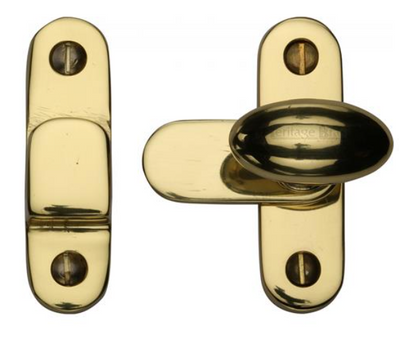
A cabinet turn, sometimes called a cupboard turn, is a simple rotating fitting designed to hold a cupboard door in the closed position.
The turn is rotated across the edge of the door or adjoining surface to secure it and turned back again when access is required.
Because the mechanism remains visible, cabinet turns can also become an attractive decorative feature on traditional cabinetry and furniture.
What is a Cabinet Latch?
A cabinet latch uses a mechanical latching action rather than a simple rotating turn.
Depending on the design, operating the knob or handle retracts the latch and allows the cupboard door to open.
Cabinet latches are particularly useful where you want a more positive closing action while retaining the appearance of traditional cabinet hardware.
Cabinet Turns for Traditional Kitchens
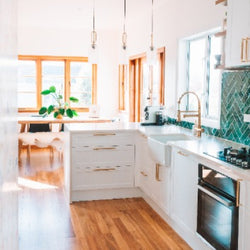
Traditional cabinet turns work particularly well with painted timber kitchens, pantry cupboards, wardrobes and freestanding furniture.
Forged designs can complement natural timber and traditional joinery, particularly when used alongside matching cupboard knobs, drawer pulls and hinges.
Finishes such as Black, Beeswax, Pewter Patina, Aged Brass and Aged Bronze can add character and help the hardware become part of the overall cabinet design.
Brass Cabinet Turns & Latches
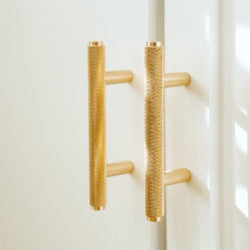
Brass cabinet hardware can suit both traditional and more contemporary cabinetry.
Aged Brass provides a warmer, established appearance, while Polished Brass creates a brighter and more decorative finish.
Satin Brass offers a softer and more understated alternative and can work particularly well with modern painted kitchens.
Coordinating the cabinet turn or latch with cupboard knobs, handles and hinges can create a much more consistent furniture scheme.
Black & Forged Cabinet Hardware
Black and forged cabinet turns are particularly well suited to natural timber, painted cabinetry and traditional interiors.
They can work especially well in cottages, farmhouse-style kitchens and heritage-inspired furniture where visible ironmongery forms part of the design.
Black hardware can also provide a strong contrast against lighter cabinet colours such as white, cream, grey and green.
Choosing the Correct Position
Cabinet turns and latches should be positioned where they are comfortable to operate and correctly engage with the cupboard door.
Before drilling, temporarily position the fitting and check that the turn or latch can operate freely without interfering with mouldings, adjoining doors or other cabinet hardware.
On pairs of cupboard doors, also consider which leaf will normally be opened first and how the closing mechanism will interact with the adjoining door.
Cabinet Turns vs Cupboard Knobs
A cabinet turn and cupboard knob perform different functions.
A cupboard knob provides a gripping point for opening the door, while a cabinet turn provides a means of holding the door closed.
Depending on the cabinet design, the two can be used together or a cabinet latch may incorporate its own operating knob.
Coordinating Cabinet Hardware
Cabinet turns and latches can be coordinated with cupboard knobs, cabinet handles, drawer pulls and cabinet hinges to create a complete hardware scheme.
Using products from the same range or finish family can help maintain consistency throughout a kitchen, wardrobe or bespoke furniture project.
This is particularly useful where several different types of cabinet hardware are visible within the same room.
Frequently Asked Questions
What is a cabinet turn?
A cabinet turn is a rotating fitting used to hold a cupboard or cabinet door closed.
Turning the fitting releases or secures the door depending on its position.
What is the difference between a cabinet turn and cabinet latch?
A cabinet turn normally uses a simple rotating action, while a cabinet latch uses a mechanical or sprung latching mechanism.
Both can be used to keep cupboard doors closed, but they operate differently.
Are cabinet turns locks?
Generally, no.
Most cabinet turns are designed to hold a cupboard door closed rather than provide key-operated security.
If secure storage is required, a dedicated cabinet lock may be more appropriate.
Can cabinet turns be used on kitchen cupboards?
Yes. Cabinet turns can work particularly well on traditional timber kitchen cabinetry, pantry cupboards and freestanding kitchen furniture.
The fitting method and design should suit the particular cabinet door.
Can I use a cabinet turn with a cupboard knob?
Yes. A cupboard knob can provide the handhold for opening the cabinet while the turn provides the closing function.
They can be selected in matching or complementary finishes.
What finish should I choose?
Consider the cabinetry and other visible hardware within the room.
Traditional interiors often suit Aged Brass, Black, Beeswax, Pewter and Bronze, while Satin Brass, Chrome and Nickel can work particularly well in cleaner contemporary schemes.
Can cabinet turns be used on wardrobes?
Yes, provided the fitting suits the construction and opening arrangement of the wardrobe doors.
Check the dimensions and fixing method before installation.
Are cabinet turns handed?
Many simple cabinet turns are not handed, but this varies depending on the particular design.
Always check the individual product description where the orientation of the fitting may affect installation.
Need Help Choosing Cabinet Hardware?
The correct cabinet turn or latch will depend on your cabinet construction, required closing action, design and preferred finish.
Roundtower Hardware supplies cabinet turns, cupboard latches and complementary cabinet hardware in Ireland for kitchens, wardrobes, furniture and bespoke joinery.
Browse our range online or contact our team if you need help coordinating cabinet turns with cupboard knobs, handles or other cabinet furniture.