Choosing a Centre Door Knob
A centre door knob can completely change the appearance of a front door, creating a strong focal point and giving the entrance a more considered, architectural finish.
Unlike a conventional mortice door knob, a centre knob is generally selected primarily as a fixed decorative door pull rather than as the mechanism used to operate the latch.
When choosing a centre door knob, consider the size and proportions of the door, knob diameter, projection, finish and the other visible ironmongery on the entrance.
Traditional Centre Door Knobs
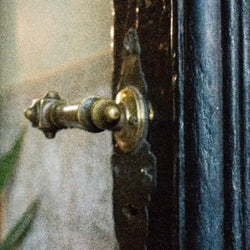
Traditional centre door knobs are particularly well suited to period properties, Georgian and Victorian-style entrances, cottages and traditional timber doors.
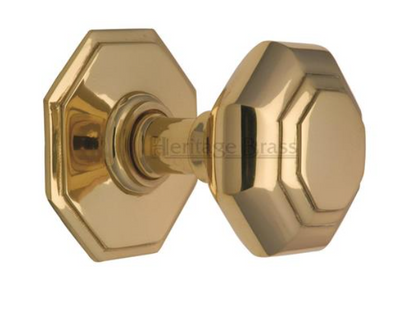
Round, octagonal, beehive and decorative designs can add character without overwhelming the door, particularly when combined with complementary traditional ironmongery.
Finishes such as Aged Brass, Aged Bronze, Pewter and Black can help create an established appearance, while polished finishes provide a more formal and decorative look.
Brass Centre Door Knobs
Brass centre door knobs remain one of the most popular choices for entrance doors.
Polished Brass creates a bright, traditional appearance and can work particularly well with matching letter plates, door knockers and escutcheons.
Satin Brass provides a softer and more contemporary interpretation, while Aged Brass offers greater character for traditional and period-style entrances.
The final choice will depend on the door colour, architectural style and the other metal finishes around the entrance.
Black & Pewter Centre Door Knobs
Black centre door knobs provide a strong contrast against painted and natural timber doors and can complement both traditional and contemporary properties.
Pewter and forged finishes offer a softer, handcrafted appearance and are particularly effective alongside traditional hinges, knockers and other period-style ironmongery.
When using a centre knob externally, always ensure the particular finish is suitable for the location and expected level of weather exposure.
Choosing the Right Size Centre Door Knob
The correct size is largely determined by the proportions of the door.
A larger centre knob can create a strong focal point on a wide or tall entrance door, while a smaller design may be better suited to a narrower door or a more understated entrance.
Consider both the diameter of the knob and its projection from the door. A substantial projection can provide a comfortable handhold, but the overall dimensions should remain balanced with the size of the door.
Positioning a Centre Door Knob
Centre door knobs are traditionally positioned prominently on the face of the door, often close to the horizontal centreline.
However, there is no requirement for every entrance to follow exactly the same arrangement. The ideal position will depend on the door proportions, panel layout, letter plate, door knocker and other architectural details.
Before drilling, temporarily position the centre knob against the door and assess the complete entrance elevation.
Coordinating Front Door Furniture
A centre door knob normally works best when considered as part of the complete front door furniture scheme.
The centre knob can be coordinated with the door knocker, letter plate, escutcheon, door handle, house numbers and other entrance hardware.
The components do not always need to be identical, but choosing compatible styles and finishes can create a much more cohesive entrance.
Frequently Asked Questions
What is a centre door knob?
A centre door knob is a prominent decorative knob fitted to the face of a door, most commonly an entrance or front door.
It is generally used as a fixed pull or architectural feature rather than as the turning mechanism for a mortice latch.
Is a centre door knob functional?
Yes, it can provide a useful handhold for pulling the door towards you, but most centre door knobs are not intended to operate the door latch in the same way as a conventional turning door knob.
Always check the individual product specification.
Where should a centre door knob be positioned?
Centre knobs are commonly positioned prominently towards the centre of the door.
The exact location should take account of the door panels, letter plate, door knocker and other visible ironmongery.
What size centre door knob should I choose?
Choose a size that is proportionate to the entrance door.
Large or wide front doors can generally accommodate a more substantial centre knob, while smaller doors may suit a more restrained design.
Are centre door knobs suitable for external doors?
Many are designed for entrance doors, but external suitability depends on the material, finish and exposure conditions.
Always check the individual product specification, especially for highly exposed or coastal properties.
Can I match a centre door knob with a door knocker?
Yes. Matching or complementary centre knobs, knockers and letter plates can create a very attractive entrance.
Using the same finish is the simplest approach, although carefully selected complementary finishes can also work well.
What is the difference between a centre door knob and a mortice door knob?
A centre door knob is generally fixed and primarily used as a decorative pull on an entrance door.
A mortice door knob turns on a spindle and operates a latch or lock mechanism within the door.
Need Help Choosing a Centre Door Knob?
The right centre knob will depend on your door size, architectural style, preferred finish and surrounding entrance furniture.
Roundtower Hardware supplies a wide range of centre door knobs and front door furniture in Ireland, with options for traditional, period and contemporary properties.
Browse our collection online or contact our team if you need help coordinating your centre knob with a door knocker, letter plate or other entrance ironmongery.