Choosing the Right Thumb Latch
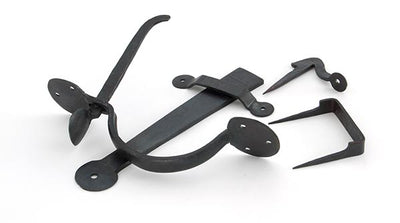
A thumb latch, sometimes referred to as a thumblatch or Suffolk latch, is a traditional door-latching system commonly used on timber plank and ledge-and-brace doors.
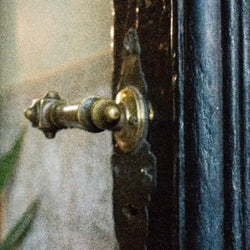
The thumb piece is operated from one side of the door and passes through the door to lift the latch bar on the opposite side. This provides a simple mechanical opening system while allowing the latch itself to remain a decorative feature.
When choosing a thumb latch, consider the door thickness, latch size, door construction, finish and whether the latch will be used internally or externally.
How Does a Thumb Latch Work?
A traditional thumb latch consists of a thumb-operated lever on one side of the door and a horizontal latch bar on the other.
When the thumb lever is pressed, the thumb bar lifts the latch bar away from its keep, allowing the door to open.
Once released, the latch bar drops back into position to hold the door closed.
The simplicity of the mechanism is one of the reasons thumblatches remain popular on cottage-style and traditional timber doors.
Thumb Latches for Ledge & Brace Doors
Ledge and brace doors are one of the most traditional applications for a thumb latch.
The visible latch bar, fixings and forged components complement the simple timber construction of plank doors particularly well.
Thumb latches are also commonly paired with T hinges, allowing both the hinge and latch to become part of the decorative ironmongery rather than being concealed within the door.
This combination works particularly well in cottages, period properties, barn-style interiors and traditional renovations.
Bean & Gothic Thumb Latches
The shape of the latch has a significant influence on its appearance.
A Bean thumblatch uses a softer, rounded decorative end and is one of the most traditional latch styles.
A Gothic thumblatch has a more pointed and decorative profile, creating a stronger architectural feature on the door.
Both styles are available in different sizes, allowing the proportions of the latch to be matched to the size and design of the door.
Suffolk Latches
A Suffolk latch is another traditional style of thumb-operated door latch commonly associated with cottages and plank doors.
The simple latch mechanism provides easy operation while maintaining the traditional appearance of visible architectural ironmongery.
When choosing a Suffolk or other thumb latch, check the maximum permitted door thickness to ensure that the thumb bar can pass correctly through the door.
Choosing the Right Finish
Traditional ironmongery finishes can significantly change the character of a thumb latch.
Beeswax provides a natural, handcrafted appearance that works particularly well with oak and other natural timbers.
Black creates a strong contrast against painted or natural timber doors and is one of the most versatile traditional finishes.
Pewter Patina provides a softer metallic appearance, while Polished Brass offers a more refined and decorative alternative.
Where the latch is being used externally, select a finish specifically recommended for external exposure and follow the manufacturer's care instructions.
Thumb Latches & Door Thickness
Door thickness is particularly important when choosing a thumb latch because the thumb bar needs to pass through the door and correctly operate the latch bar on the opposite side.
Different latch designs accommodate different maximum door thicknesses.
Always check the individual product dimensions before ordering, particularly when fitting a latch to a substantial traditional timber door.
Can a Thumb Latch Be Locked?
A standard thumb latch is primarily designed to hold and operate the door rather than provide conventional key-operated security.
However, selected systems can be combined with a locking staple or locking staple pin, allowing the latch bar to be held in position.
This can provide a simple traditional means of restricting operation while retaining the appearance of the thumb latch.
For doors requiring higher levels of security, a separate suitable locking system may also be required.
Cottage Latches
A cottage latch provides an alternative traditional latching arrangement and can be used on suitable internal timber doors or gates.
Unlike many standard thumblatches, some cottage latches are handed. This means the correct left- or right-handed version needs to be selected according to the direction of the door and position of the hinges.
Always check the product handing before ordering.
Frequently Asked Questions
What is a thumb latch?
A thumb latch is a traditional door-latching mechanism operated by pressing a thumb lever.
The thumb bar passes through the door and lifts a latch bar on the opposite side, allowing the door to open.
What is another name for a thumb latch?
Thumb latches are also commonly referred to as thumblatches or Suffolk latches, although Suffolk latch can also refer to a particular traditional style.
What doors are thumb latches suitable for?
Thumb latches are particularly popular on ledge and brace doors, plank doors, cottage doors and traditional timber doors.
The individual latch dimensions and door-thickness requirements should always be checked before installation.
Are thumb latches used with T hinges?
Yes. Thumb latches and T hinges are a traditional combination on ledge-and-brace and plank doors.
Using both in a coordinated finish can create an authentic traditional ironmongery scheme.
Can a thumb latch be locked?
Selected thumb latches can be combined with a locking staple or locking staple pin to restrict movement of the latch bar.
If the door requires a higher level of security, an additional suitable lock may be required.
Are thumb latches suitable for external doors?
Some thumb latches and finishes can be suitable for external applications, but suitability varies between products and finishes.
Check the individual product specification and maintenance guidance before using the latch externally.
What is the difference between Bean and Gothic thumblatches?
The main difference is the decorative shape.
Bean latches have a softer rounded profile, while Gothic latches use a more pointed decorative design.
Both operate using the same traditional thumb-latch principle.
How do I know if a thumb latch will fit my door?
Check the door thickness and individual product dimensions before ordering.
The thumb bar must be long enough to pass through the door and correctly operate the latch mechanism on the opposite side.
Need Help Choosing a Thumb Latch?
The correct latch will depend on your door construction, thickness, preferred design, finish and whether the application is internal or external.
Roundtower Hardware supplies a wide range of From The Anvil thumb latches in Ireland, including Bean, Gothic and Suffolk-style latches together with matching staples and accessories.
Browse our collection online or contact our team if you need help choosing traditional ironmongery for your door.