Choosing House Numbers & Letters
The right house numbers and letters should be easy to identify while also complementing the style of the entrance.
Although their primary purpose is practical, numerals and letters can become an important part of the overall front door design.
When choosing house numbers, consider the size, finish, fixing method, door colour, viewing distance and the other entrance furniture already fitted to the property.
Choosing the Right House Number Size
The ideal size will depend on where the number is being installed and how far away it needs to be read from.
Smaller numerals can provide a discreet appearance on a front door, while larger house numbers may be more appropriate where the entrance is positioned further from the road or footpath.
Before ordering, check the overall height and width of the individual number or letter and consider how several characters will look when positioned together.
Brass House Numbers
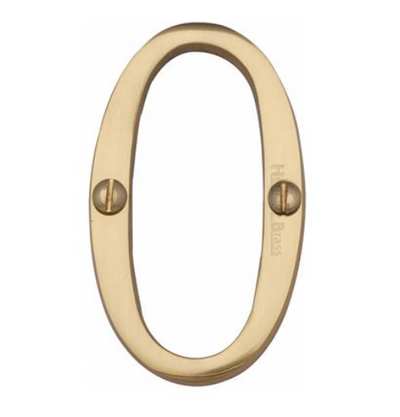
Brass house numbers provide a classic finish that can complement both traditional and contemporary entrance doors.
Polished Brass creates a bright and decorative appearance, while other brass and bronze finishes can provide a softer or more established character.
Brass numerals work particularly well when coordinated with matching door knockers, centre door knobs, letter plates and other front door furniture.
Black House Numbers
Black house numbers provide a clean and distinctive contrast against many painted and natural timber doors.
They can work particularly well on white, cream, grey, green and natural wood entrances and can suit both traditional and contemporary architecture depending on the numeral design.
Black numbers can also be coordinated with black handles, knockers, letter plates and other architectural ironmongery.
Chrome, Nickel & Stainless Steel Numbers
Chrome, nickel and stainless-steel finishes provide a cooler and more contemporary appearance.
These finishes can work particularly well with modern entrance doors and architectural hardware where polished or satin metallic finishes are already being used.
When installing house numbers externally, always check the individual product specification and confirm that the material and finish are suitable for the level of weather exposure.
House Letters
Individual house letters can be used alongside numerals to identify apartments, units and properties with addresses such as 12A or 24B.
Letters can also be useful for commercial units and multi-property developments where a combination of numbers and letters is required.
Where numbers and letters are used together, choosing products from the same design range and finish will normally create the most consistent appearance.
Positioning House Numbers
House numbers should be positioned where they are clearly visible to visitors and people approaching the property.
Popular locations include the front door, surrounding door frame, entrance wall or gate area, depending on the design of the property.
When fitting numbers directly to a door, consider the position of panels, glazing, door knockers, letter plates and centre knobs before drilling.
Laying out the complete arrangement beforehand can help ensure that the entrance remains visually balanced.
Coordinating Front Door Furniture
House numbers often look best when considered as part of the complete entrance rather than as an isolated fitting.
The finish can be coordinated with door knockers, centre door knobs, letter plates, handles and escutcheons.
The pieces do not necessarily need to be identical, but using complementary finishes and styles can create a more considered front door design.
Frequently Asked Questions
What size house numbers should I choose?
Choose a size that is appropriate for the door or mounting surface and the distance from which the number needs to be visible.
A larger numeral will generally be easier to identify from further away, while smaller numbers can provide a more understated appearance.
Where should house numbers be positioned?
House numbers should be placed somewhere clearly visible when approaching the property.
Common positions include the front door, door frame, entrance wall or gate.
Can house numbers be fitted directly to a front door?
Yes, many house numbers are designed for door mounting.
Always check the fixing method and make sure the chosen location does not interfere with glazing, door panels or other entrance furniture.
Are house numbers suitable for external use?
Many are designed for external entrance applications, but suitability varies according to the material, finish and level of exposure.
Check the individual product specification before installation, particularly in coastal or highly exposed locations.
What finish should I choose for house numbers?
Consider both the colour of the entrance door and the other visible ironmongery.
Brass and bronze finishes can work particularly well with traditional doors, while Black, Chrome, Nickel and Stainless Steel can create a cleaner contemporary appearance.
Should house numbers match the door knocker?
They do not have to match exactly, but using the same or complementary finishes can create a much more coordinated entrance.
Consider the house numbers together with the door knocker, centre knob, letter plate and door handle.
Can I use letters as well as numbers?
Yes. Individual letters are particularly useful for addresses such as 12A or 24B, as well as apartment, unit and commercial-property identification.
Choosing matching numerals and letters will normally provide the most consistent appearance.
Need Help Choosing House Numbers & Letters?
The right house numbers will depend on your entrance style, required visibility, preferred finish and mounting position.
Roundtower Hardware supplies house numbers, numerals and letters throughout Ireland in traditional and contemporary styles.
Browse our collection online or contact our team if you need help coordinating your house numbers with other front door furniture.