Choosing Door Knobs on Rose
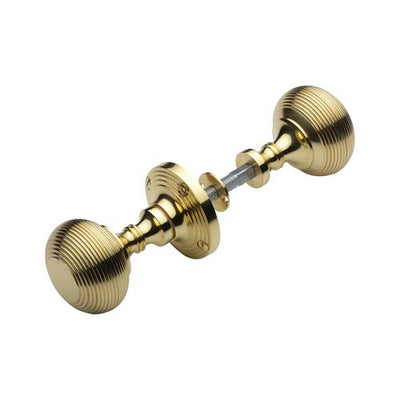
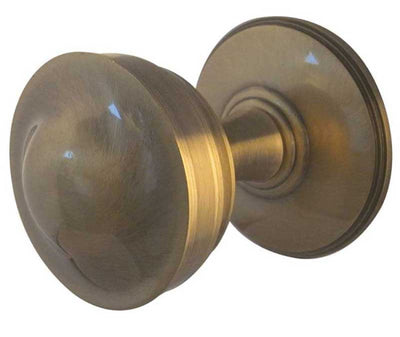
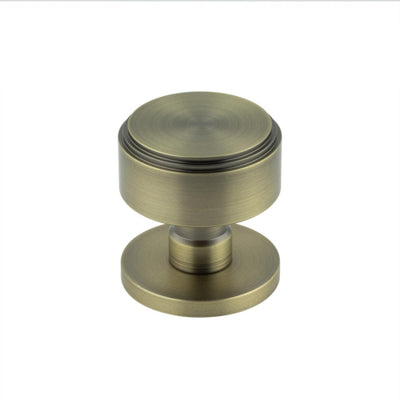
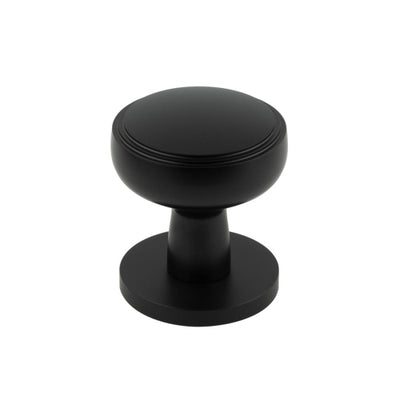
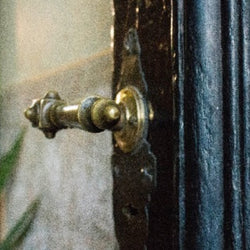
A door knob on rose combines a turning knob with a separate circular, square or decorative rose fitted to the face of the door.
Unlike a door knob on a larger backplate, the separate rose creates a clean and understated appearance while allowing the knob to be combined with separate escutcheons or thumbturns where a locking function is required.
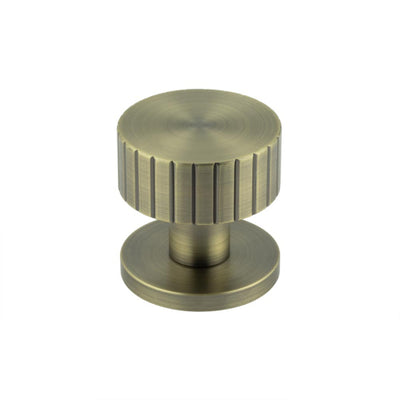
When choosing door knobs, consider the knob diameter, projection, rose design, finish, required latch or lock and the amount of clearance between the knob and door frame.
Mortice Door Knobs
A mortice door knob operates a latch or mortice lock concealed within the edge of the door.
Turning the knob rotates the spindle, retracting the latch and allowing the door to open. Mortice knobs can therefore be used on standard internal doors as well as doors requiring a locking function when paired with a suitable mortice lock.
The latch or lock should always be selected to suit the particular knob and door arrangement.
Choosing the Right Latch for a Door Knob
The latch backset is particularly important when using door knobs.
Because your hand needs to rotate around the knob, positioning it too close to the edge of the door can result in your fingers catching against the door frame.
For this reason, a 3" or 4" tubular latch is often preferred with larger door knobs, as it positions the knob further away from the edge of the door.
Always check the dimensions of the knob, latch and door before ordering.
Traditional Door Knobs
Traditional door knobs are particularly suited to period properties, cottages, Georgian and Victorian-style interiors and restoration projects.
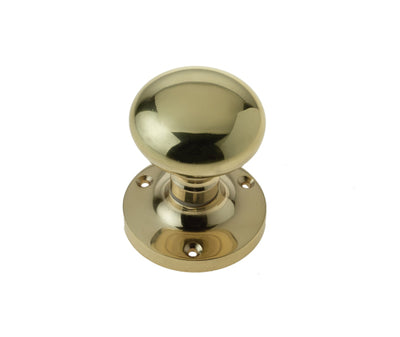
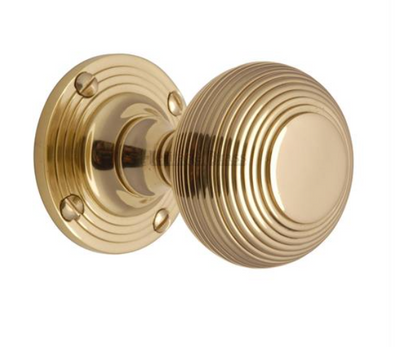
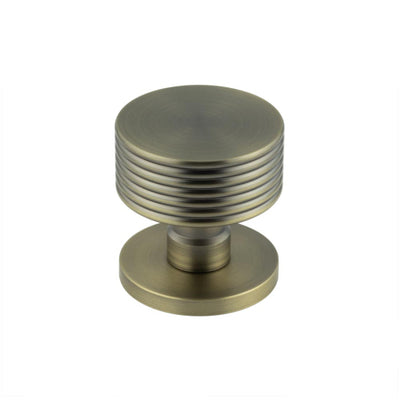
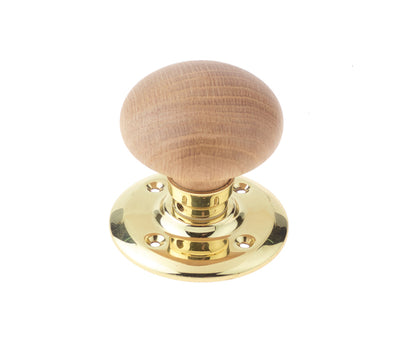
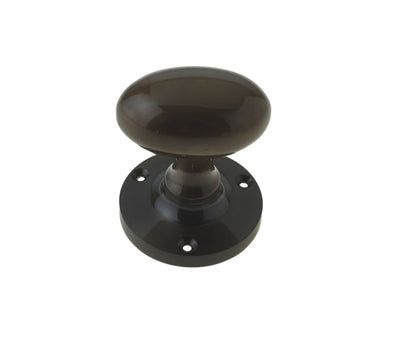
Designs such as beehive, reeded, mushroom, porcelain and cottage-style door knobs can introduce character while remaining practical for everyday use.
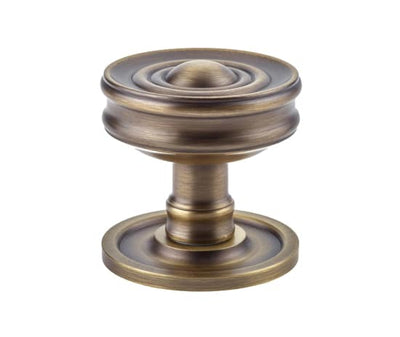
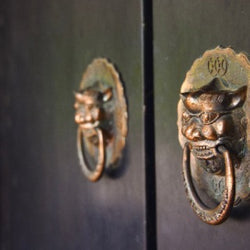
Finishes including Aged Brass, Aged Bronze, Beeswax, Pewter and Antique Brass can further enhance a traditional appearance.
Brass Door Knobs
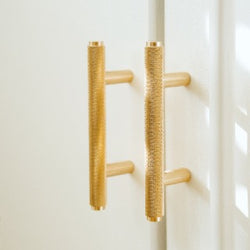
Brass door knobs work equally well in traditional and contemporary interiors depending on the design and finish.
Polished Brass provides a bright and classic appearance, while Satin Brass creates a softer and more modern finish.
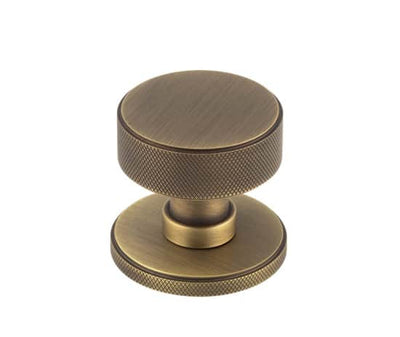
Aged and Antique Brass offer greater character and can complement natural timber, painted doors and traditional interiors.
Matching escutcheons, thumbturns and other door furniture can be used to create a coordinated ironmongery scheme.
Black & Pewter Door Knobs
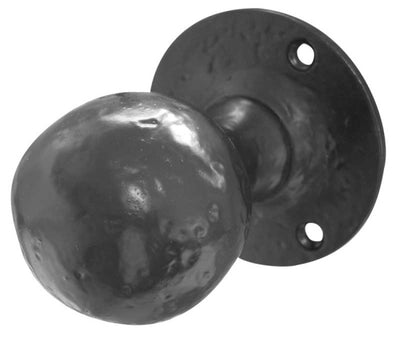
Black door knobs provide a striking contrast against painted and natural timber doors.
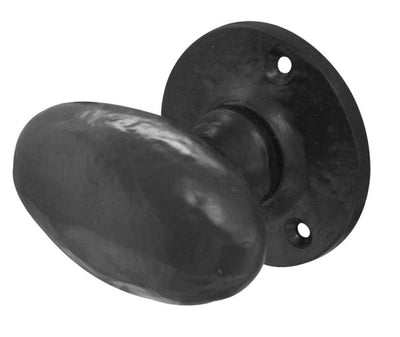
Simple black designs can work particularly well in contemporary interiors, while forged, beehive and traditional shapes can complement cottages and period properties.
Pewter and Pewter Patina finishes provide a softer metallic appearance and work particularly well alongside traditional architectural ironmongery.
Choosing the Right Door Knob Size
Door knob size affects both appearance and comfort.
Smaller knobs can suit narrow doors and understated interiors, while larger knobs provide a more substantial feel and can become an architectural feature in their own right.
When comparing options, consider both the diameter and projection of the knob as well as the size of the rose.
Larger knobs may also benefit from a deeper latch backset to provide additional hand clearance from the frame.
Door Knobs with Locks & Bathroom Furniture
Door knobs on rose can be combined with different locking arrangements depending on the room.
For bedrooms or other lockable doors, a separate key escutcheon can be fitted below the knob and used with a suitable mortice lock.
For bathrooms and WCs, a separate thumbturn and emergency release can be combined with a compatible bathroom lock.
This separate arrangement allows the knob, escutcheon or thumbturn to be selected in matching finishes.
Frequently Asked Questions
What is a door knob on rose?
A door knob on rose is a turning door knob mounted on a separate circular, square or decorative fixing plate known as a rose.
The compact rose creates a cleaner appearance than a traditional full-length backplate.
What is the difference between a mortice door knob and a centre door knob?
A mortice door knob turns and operates a latch or lock within the door.
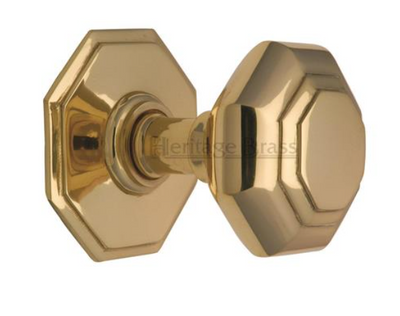
A centre door knob is normally fixed and used as a decorative pull on an entrance door rather than to operate the latch.
What size latch should I use with a door knob?
A 3" or 4" tubular latch is often preferred with door knobs because the longer backset positions the knob further away from the door frame.
The best size will depend on the knob diameter, door design and required hand clearance.
Can door knobs be used with mortice locks?
Yes. Compatible door knobs can be used with mortice sash locks, bathroom locks and other suitable locking arrangements.
Always check that the lock and knob are designed to work together.
Are door knobs suitable for internal doors?
Yes. Door knobs are widely used on bedrooms, living rooms, studies and other internal doors.
The latch or lock should be selected according to whether the door simply needs to latch or also requires privacy or key locking.
Can I use door knobs on a bathroom door?
Yes. A door knob can be combined with a suitable bathroom lock and separate thumbturn.
This allows the knob to operate the latch while the thumbturn controls the privacy bolt.
Which finish should I choose?
Choose a finish that complements the door and the other architectural ironmongery in the property.
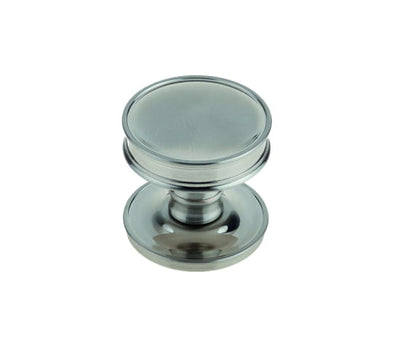
Traditional interiors often work well with Aged Brass, Aged Bronze, Beeswax and Pewter, while Satin Brass, Black, Nickel and Chrome can suit more contemporary schemes.
Need Help Choosing Door Knobs?
The right door knob will depend on your door style, knob size, latch or lock, required backset and preferred finish.
Roundtower Hardware supplies a wide range of door knobs and mortice door furniture throughout Ireland, with traditional and contemporary designs available.
Browse our collection online or contact our team if you need help matching your door knobs with the correct latches, locks, escutcheons or thumbturns.