Choosing the Right Escutcheon
An escutcheon is a small piece of architectural ironmongery fitted around a keyhole or cylinder opening.
Although relatively simple, choosing the correct escutcheon is important because the opening must match the type of lock or cylinder installed within the door.
The main factors to consider are the lock type, keyway or cylinder profile, escutcheon dimensions, fixing method, design and finish.
Standard Keyhole Escutcheons
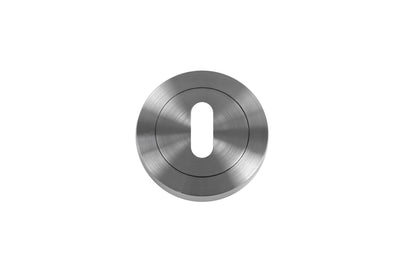
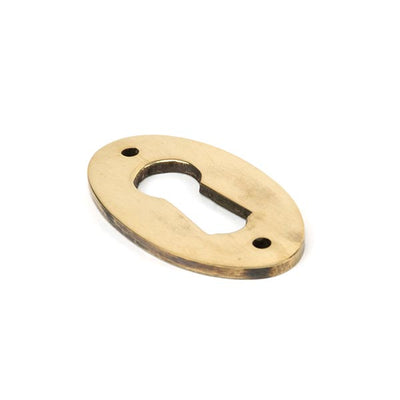
A standard keyhole escutcheon is designed around the traditional keyway found on compatible lever mortice locks.
These are commonly used with mortice door knobs and lever handles on rose where the keyhole furniture is fitted separately from the handle.
Standard escutcheons are available in traditional and contemporary designs, making them suitable for everything from period timber doors to modern interiors.
Euro Profile Escutcheons
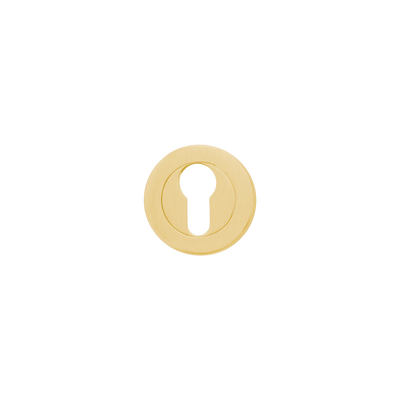
A Euro profile escutcheon has an opening shaped specifically to accommodate a Euro profile cylinder.
Euro cylinders are used with compatible mortice locks and are common on both residential and commercial doors.
Because the cylinder projects through the door furniture, it is important to choose the correct escutcheon profile and ensure that the cylinder length is appropriate for the overall door and hardware thickness.
Covered Escutcheons
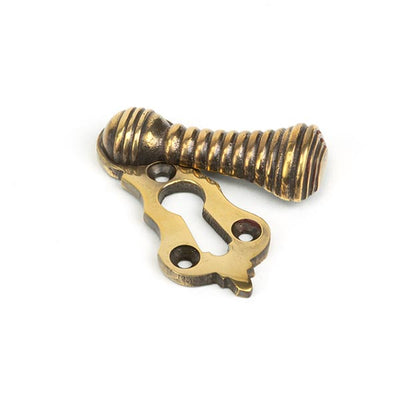
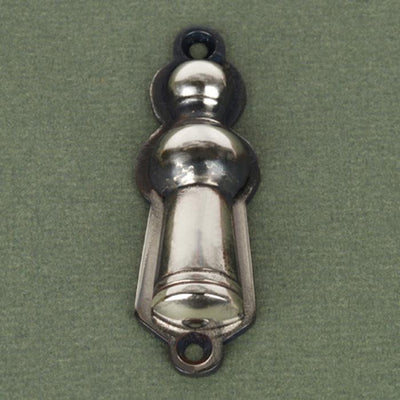
A covered escutcheon incorporates a small pivoting or sliding cover over the keyhole.
This provides a more traditional decorative appearance and helps conceal the keyhole when the lock is not being used.
Covered escutcheons can work particularly well on period properties, traditional timber doors and heritage-style interiors.
Escutcheons for Door Handles on Rose
Escutcheons are particularly useful with lever handles on rose.
Because a handle on rose uses a relatively small fixing plate, the locking furniture is normally fitted separately below the lever.
This allows the same handle design to be used throughout a property, with a standard key escutcheon, Euro escutcheon or thumb turn added according to the function of each door.
Escutcheons for Mortice Door Knobs
The same principle applies to mortice door knobs on rose.
A separate escutcheon can be positioned below the knob where a key-operated mortice lock is required.
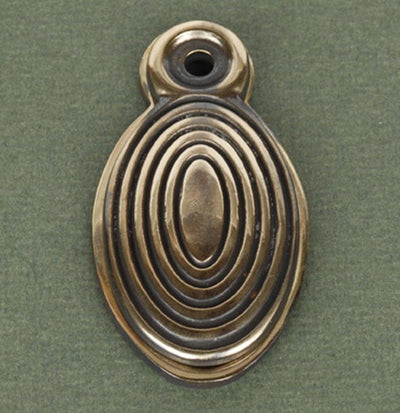
Traditional designs such as beehive, aged brass, bronze and forged escutcheons can be particularly effective when coordinated with period-style mortice knobs.
Choosing an Escutcheon Finish
The escutcheon is normally positioned very close to the door handle or knob, so selecting a complementary finish is important.
Traditional interiors often suit Aged Brass, Aged Bronze, Beeswax, Pewter and Polished Brass, while Satin Brass, Black, Chrome, Nickel and Stainless Steel can complement more contemporary door furniture.
Using an escutcheon from the same product range as your handles or knobs is often the easiest way to ensure that the finish and design coordinate correctly.
Round or Square Escutcheons
Escutcheons are available in a variety of shapes.
Round escutcheons provide a simple and versatile appearance and work particularly well with round lever roses and mortice knobs.
Square escutcheons can complement square handle roses and more geometric contemporary door furniture.
Decorative and traditionally shaped escutcheons can provide additional character for period-style interiors.
The best option is generally the one that most closely complements the shape and proportions of the surrounding hardware.
Frequently Asked Questions
What is an escutcheon?
An escutcheon is a decorative and functional plate fitted around a keyhole or lock-cylinder opening.
It provides a neat finished edge around the opening and allows the locking furniture to coordinate with the rest of the door hardware.
What is the difference between a key escutcheon and Euro escutcheon?
A key escutcheon has a traditional keyhole opening for a compatible lever mortice lock.
A Euro escutcheon has the distinctive profile required to accommodate a Euro cylinder.
The correct version depends on the lock fitted within your door.
Do I need an escutcheon with a door handle?
If you are using a lever handle on rose with a separate key-operated lock, an escutcheon is normally fitted below the handle to finish the keyhole or cylinder opening.
Handles on a long backplate may already incorporate the keyhole within the plate.
Can escutcheons be used with door knobs?
Yes. Escutcheons are commonly used with mortice door knobs on rose where the door also requires a key-operated lock.
What is a covered escutcheon?
A covered escutcheon incorporates a small cover over the keyhole.
It provides a traditional decorative detail and conceals the keyhole when it is not in use.
Should the escutcheon match the door handle?
It does not have to be identical, but matching or complementary finishes normally provide the most coordinated appearance.
Selecting the handle, escutcheon and thumb turns from the same architectural ironmongery range can make this particularly easy.
What escutcheon do I need for a Euro cylinder?
Choose a Euro profile escutcheon designed around the shape of a Euro cylinder.
You should also check that the cylinder itself is correctly sized for the thickness of the door and fitted hardware.
Are escutcheons sold in pairs?
This varies by product.
Some escutcheons are supplied as pairs for both faces of the door, while others may be supplied individually. Always check the individual product description before ordering.
Need Help Choosing an Escutcheon?
The correct escutcheon will depend on your lock type, keyway or cylinder profile, door furniture and preferred finish.
Roundtower Hardware supplies a wide range of keyhole and Euro profile escutcheons in Ireland, with traditional and contemporary options available.
Browse our collection online or contact our team if you need help matching an escutcheon with your door handles, mortice knobs or locks.