Choosing the Right Door Knocker
A door knocker is one of the most visible pieces of ironmongery on a front door and can have a significant impact on the overall appearance of an entrance.
The right design will depend on the style and proportions of the door, preferred finish, fixing method and the surrounding entrance furniture.
Traditional designs can add character to period properties, while simpler and more contemporary knockers can complement modern timber and painted entrance doors.
Traditional Door Knockers
Traditional door knockers are particularly well suited to period properties, Georgian and Victorian-style homes, cottages and traditional timber doors.
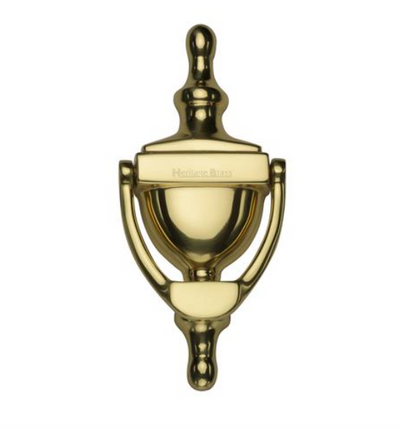
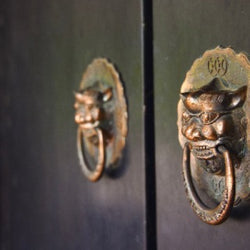
Classic designs include Doctor’s knockers, urn knockers, ring knockers and lion head door knockers.
Finishes such as Aged Brass, Aged Bronze, Black and Pewter can enhance the traditional character of the door, while Polished Brass can provide a brighter and more formal appearance.
Brass Door Knockers
Brass door knockers remain one of the most popular choices for entrance doors.
Polished Brass provides a bright, traditional finish, while Satin Brass creates a softer and more understated appearance.
Aged Brass offers greater depth and character and works particularly well with painted timber doors, period homes and traditional architecture.
Brass knockers can also be coordinated with matching letter plates, centre door knobs, escutcheons and house numbers.
Black & Pewter Door Knockers
Black door knockers provide a strong contrast against painted and natural timber doors and can work with both traditional and contemporary entrances.
Pewter and forged finishes offer a softer, handcrafted appearance and can complement traditional hinges, handles and other period-style ironmongery.
The design of the knocker is just as important as the finish, so a simple black knocker can appear very contemporary while a forged or decorative design can create a much more traditional effect.
Contemporary Door Knockers
For modern entrance doors, consider a cleaner and more understated door knocker.
Simple geometric, bar and streamlined designs can complement contemporary architecture without dominating the appearance of the door.
Finishes such as Satin Stainless Steel, Polished Stainless Steel, Satin Brass, Black and Chrome can work particularly well with modern door furniture.
Choosing the Correct Size
The size of the door knocker should be proportionate to the entrance door.
Larger, wider doors can generally accommodate a more substantial knocker, while smaller doors may suit a more restrained design.
Before ordering, check the overall height, width, projection and fixing centres of the particular product.
The position of existing panels, glazing, letter plates and other ironmongery should also be considered.
Positioning a Door Knocker
Door knockers are normally fitted in a prominent and easily accessible position on the entrance door.
The exact location depends on the design of the door and the surrounding furniture. On traditionally panelled doors, the panel layout can strongly influence the most balanced position.
Where a centre door knob and letter plate are also being installed, it is worth laying out all three components before drilling to ensure the entrance remains visually balanced.
Frequently Asked Questions
What type of door knocker should I choose?
Choose a design that suits the style and proportions of your entrance.
Traditional homes often suit Doctor’s, lion head, urn and ring knockers, while simpler geometric designs can work particularly well on contemporary doors.
What is a Doctor’s door knocker?
A Doctor’s door knocker is a traditional elongated knocker design associated with Georgian and period entrance doors.
It remains particularly popular for traditional homes, renovations and heritage-style entrances.
Are brass door knockers suitable for outside?
Many brass door knockers are designed for external use, but suitability will depend on the particular material, finish and exposure.
Always check the individual product specification, particularly for exposed or coastal properties.
What size door knocker should I choose?
The correct size is mainly a matter of proportion.
A substantial entrance door can accommodate a larger knocker, while a narrow or heavily detailed door may benefit from a smaller design.
Always check the product dimensions before drilling fixing holes.
Where should a door knocker be positioned?
A door knocker should normally be positioned where it can be comfortably reached and where it looks balanced on the door.
Door panels, glazing, centre knobs and letter plates should all be considered before finalising the position.
Can I match my door knocker with other front door furniture?
Yes. Coordinating your door knocker, centre door knob, letter plate, house numbers and other entrance ironmongery can create a much more considered appearance.
Matching finishes is the simplest approach, although complementary finishes can also work well.
Which finish is best for a coastal property?
For highly exposed or coastal locations, material selection is particularly important.
Marine-grade 316 stainless steel can provide a suitable option for demanding environments, but always check the manufacturer's suitability and maintenance guidance for the individual product.
Need Help Choosing a Door Knocker?
The right door knocker will depend on your door style, size, preferred finish and surrounding entrance furniture.
Roundtower Hardware supplies a wide range of door knockers in Ireland, including traditional, brass, black, stainless steel and contemporary designs.
Browse our collection online or contact our team if you need help coordinating your door knocker with a centre knob, letter plate or other front door furniture.