Choosing the Right Cupboard Handles
The right cupboard handles can completely change the appearance of a kitchen, wardrobe or piece of furniture.
As well as providing a comfortable way to open cupboards and drawers, cabinet handles are an important design detail and can help define whether the finished interior feels traditional, contemporary or somewhere in between.
When choosing cabinet handles, consider the size and proportions of the cabinetry, fixing centres, handle projection, required grip and the other metal finishes within the room.
Cabinet Pull Handles
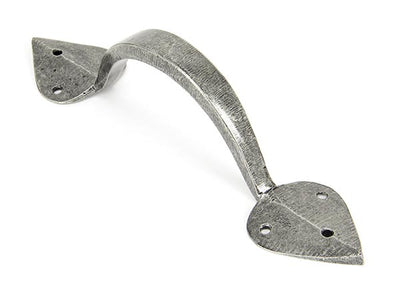
A cabinet pull handle provides a practical gripping point and is one of the most versatile choices for cupboard doors and drawers.
Pull handles are available in a wide variety of lengths and designs, from simple contemporary bars to decorative traditional and forged styles.
Longer cabinet pulls can work particularly well on wide drawers and tall cupboard doors, while smaller handles can provide a more understated appearance on compact cabinetry.
T-Bar Cabinet Handles
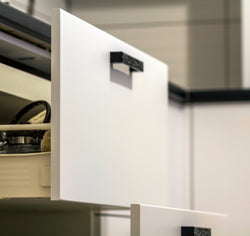
T-bar handles provide a simple and compact alternative to a longer cabinet pull.
Their clean shape makes them particularly suitable for contemporary kitchens, wardrobes and furniture, although the final appearance will depend heavily on the finish and detailing.
T-bars can also be combined with longer pull handles from the same collection to create a coordinated hardware scheme across different sizes of cabinet door and drawer.
Cup Pull Handles
A cup pull, sometimes called a drawer cup handle, has a curved gripping area that is normally fitted to the face of a drawer.
Cup pulls are particularly popular in traditional kitchens, utility rooms, pantry cupboards and period-inspired furniture.
Brass, bronze, black and traditionally finished cup pulls can add character to painted timber cabinetry, while cleaner metallic finishes can provide a more contemporary interpretation.
Choosing the Correct Fixing Centres
One of the most important measurements when choosing a cabinet handle is the fixing centres, sometimes shown as CTC or centre-to-centre.
This is the distance between the centres of the two fixing holes.
If you are replacing existing handles, choosing a new handle with the same fixing centres can make installation considerably easier and avoid leaving old screw holes visible.
Always check both the fixing centres and the overall handle length before ordering.
Brass Cupboard Handles
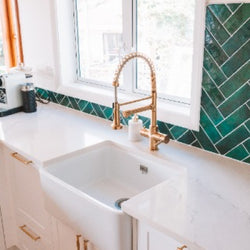
Brass cupboard handles can work across both traditional and contemporary interiors.
Aged Brass and Antique Brass provide warmth and character and can work particularly well with painted timber kitchens and period-style furniture.
Polished Brass creates a brighter decorative appearance, while Satin Brass provides a softer and more restrained finish suited to many contemporary interiors.
Brass cabinet handles can also be coordinated with cupboard knobs, shelf brackets, door handles and other architectural ironmongery.
Black Cupboard Handles
Black cupboard handles provide strong contrast against both painted and natural timber cabinetry.
They work particularly well with white, cream, grey, green and timber kitchens and can suit both modern and traditional interiors depending on the shape of the handle.
Black cabinet hardware can also be carried through door furniture, window fittings and other details to create a consistent interior scheme.
Knurled Cabinet Handles
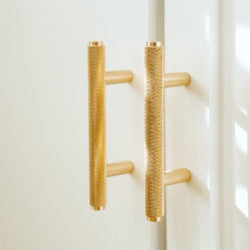
A knurled cabinet handle has a textured surface that creates additional visual detail and a distinctive tactile finish.
Knurled designs can work particularly well in contemporary kitchens and higher-specification interiors where the cabinet hardware is intended to become a noticeable design feature.
They are often paired with matching T-bars or other hardware from the same collection.
Cupboard Handles or Knobs?
Both cupboard handles and cupboard knobs can work very well on kitchen cabinetry.
Handles generally provide a larger gripping area and are particularly practical on wider or heavier drawers. Knobs provide a simpler appearance and require only one fixing point.
Many kitchens combine the two, using cupboard knobs on cabinet doors and pull handles or cup pulls on drawers.
Keeping the finish or design family consistent can help the combination feel intentional.
Coordinating Cabinet Hardware
Cabinet handles do not need to be selected in isolation.
They can be coordinated with cupboard knobs, drawer pulls, cabinet turns, shelf brackets and door furniture to create a consistent architectural hardware scheme throughout the room.
This can be particularly effective in open-plan kitchens where cabinetry, doors and other ironmongery are visible together.
Frequently Asked Questions
What is the difference between a cupboard handle and cabinet handle?
There is generally no significant difference.
The terms cupboard handle, cabinet handle and furniture handle are commonly used interchangeably for handles fitted to kitchen cupboards, drawers, wardrobes and furniture.
What are fixing centres on a cabinet handle?
Fixing centres are the distance from the centre of one fixing hole to the centre of the other.
This measurement is particularly important when replacing existing handles.
How do I measure a cupboard handle?
Check both the overall length of the handle and the fixing centres.
For replacement handles, the fixing-centre measurement is normally the most important because it determines whether the existing holes can be reused.
What size handles should I use on kitchen cabinets?
The ideal size depends on the dimensions of the cabinet and the appearance you want to achieve.
Smaller handles suit compact cupboard doors, while longer pull handles can work particularly well on wide drawers and tall cabinets.
Are cup pulls suitable for kitchen drawers?
Yes. Cup pulls are particularly popular on kitchen drawers and traditional cabinetry.
Their curved shape provides a practical grip while creating a distinctive decorative detail.
Can I mix cupboard knobs and handles?
Yes. Using knobs on cupboard doors and handles or cup pulls on drawers is a popular approach.
Keeping the finish, proportions or design style consistent can help create a coordinated appearance.
Which cabinet handle finish should I choose?
Consider the cabinet colour and other visible hardware within the room.
Traditional interiors often work well with Aged Brass, Antique Brass, Bronze, Pewter and Black, while Satin Brass, Chrome, Nickel and contemporary black finishes can suit more modern schemes.
Can I replace cupboard handles without replacing the cabinets?
Yes. Changing cabinet handles is one of the simplest ways to update an existing kitchen or piece of furniture.
If the new handles have the same fixing centres as the existing handles, the change can often be made without drilling additional holes.
Need Help Choosing Cupboard Handles?
The correct handles will depend on your cabinet dimensions, existing fixing centres, required grip, style and preferred finish.
Roundtower Hardware supplies a wide range of cupboard handles and cabinet hardware in Ireland, including pull handles, T-bars, cup pulls and traditional decorative handles.
Browse our collection online or contact our team if you need help coordinating cupboard handles, knobs and other cabinet furniture.