Choosing the Right Door Knob
A door knob can have a significant influence on both the appearance and everyday operation of a door.
The correct style will depend on whether the knob needs to operate a latch or lock, whether it is being used as a fixed feature on an entrance door, and the overall style of the property.
When choosing door knobs, consider the knob diameter, projection, finish, latch or lock type, required backset and available clearance from the door frame.
Mortice Door Knobs
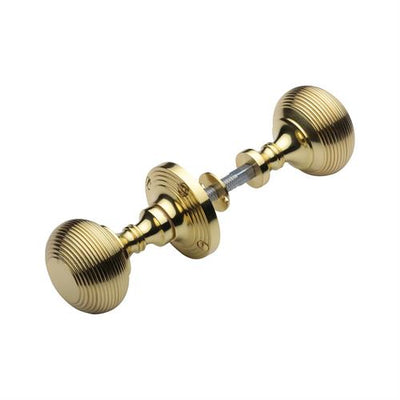
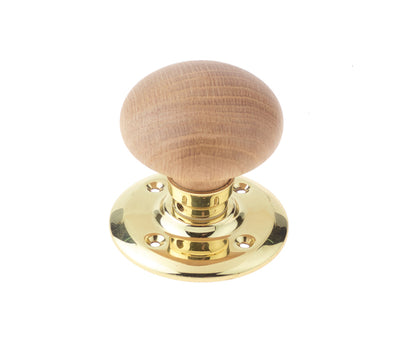
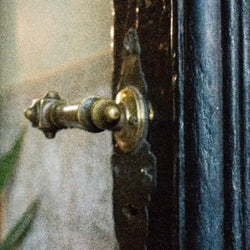
A mortice door knob turns on a spindle and operates a latch or lock concealed within the edge of the door.
Mortice knobs are widely used on internal doors and are available in traditional and contemporary designs. Depending on the room, they can be paired with a simple tubular latch, mortice sash lock or bathroom lock.
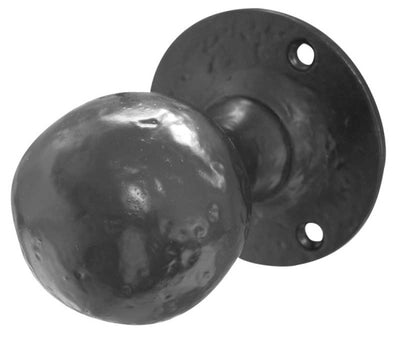
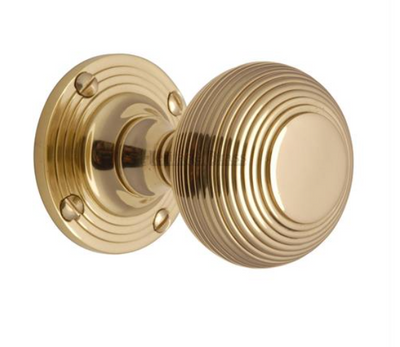
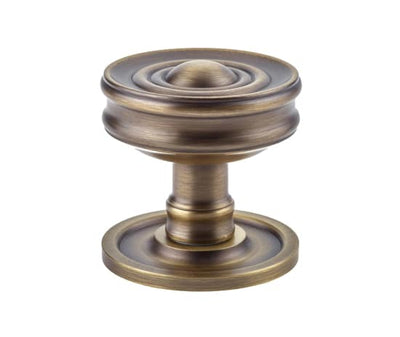
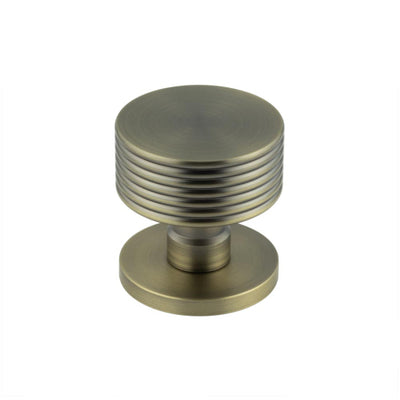
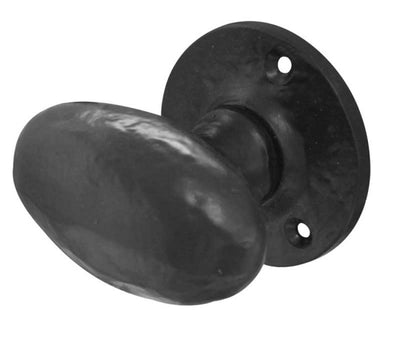
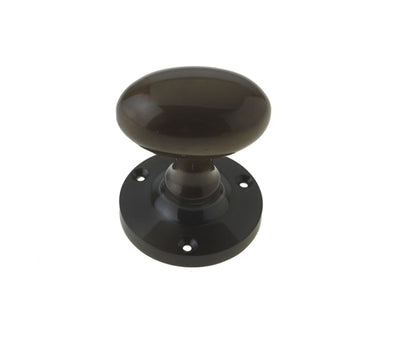
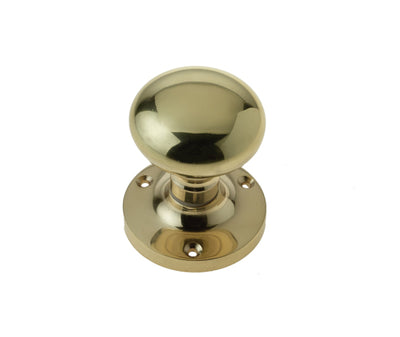
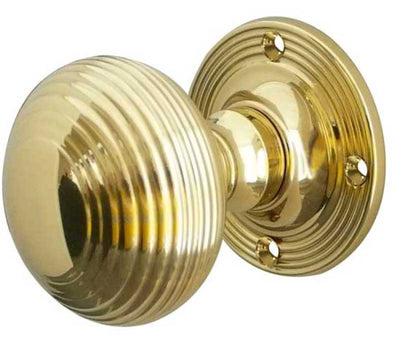
Traditional shapes such as beehive, mushroom, ball, oval and reeded door knobs can add character to period properties, while simpler designs can work equally well in contemporary interiors.
Door Knobs on Rose
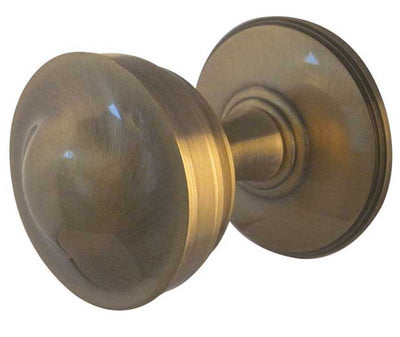
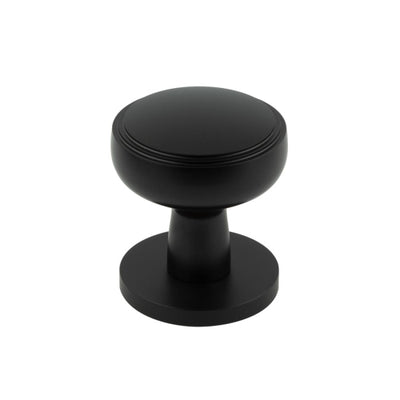
A door knob on rose is mounted on a smaller circular, square or decorative plate rather than a full-length backplate.
This creates a clean appearance and allows separate escutcheons or thumbturns to be positioned below the knob where a locking or privacy function is required.
Door knobs on rose are particularly versatile because the same knob design can often be used throughout a property while the lock furniture is changed depending on the room.
Rim Door Knobs
Rim door knobs are designed to work with surface-mounted rim locks or latches rather than mechanisms morticed into the edge of the door.
They are particularly popular in cottages, period properties and traditional renovations, where the visible rim lock forms part of the overall architectural character.
Some traditional knob sets can be configured for either mortice or rim applications, but compatibility should always be checked before ordering.
Centre Door Knobs
A centre door knob serves a different purpose from an operating mortice knob.
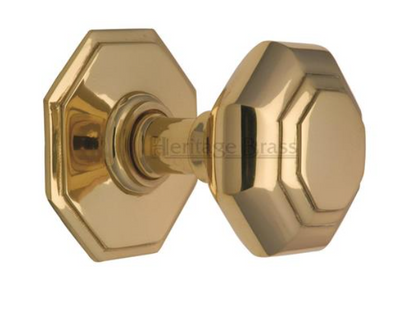
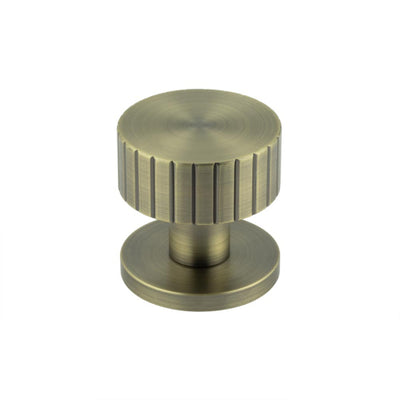
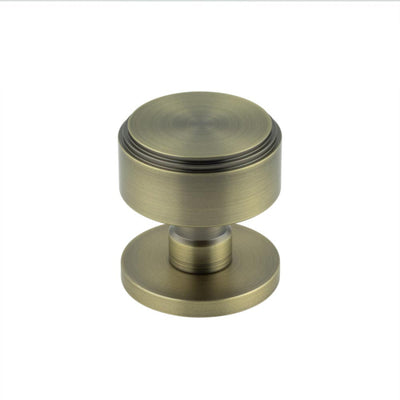
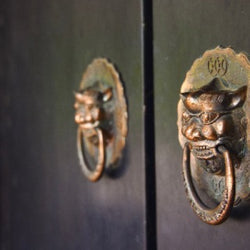
Centre knobs are generally fixed to the face of a front or entrance door and used as a decorative pull or architectural focal point rather than to operate the latch.
They can be coordinated with a matching door knocker, letter plate, escutcheon and other entrance furniture to create a balanced front door scheme.
Choosing the Right Latch
The latch backset is particularly important when using a turning door knob.
Unlike a lever handle, your hand needs space to rotate around the knob. If the knob is positioned too close to the edge of the door, your fingers can catch against the frame.
For this reason, 3" or 4" tubular latches are often selected with larger mortice knobs to provide additional clearance.
Always check the dimensions of the knob, latch and door before ordering.
Choosing a Door Knob Finish
The finish can completely change the character of a door knob.
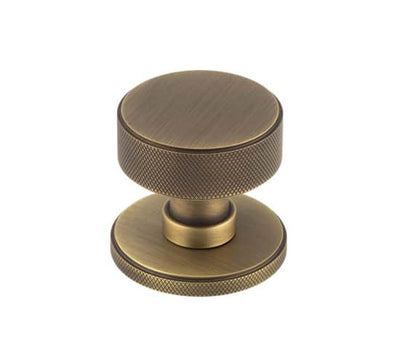
Aged Brass, Aged Bronze, Beeswax and Pewter are particularly effective in traditional and period-style interiors.
Polished Brass provides a brighter classic appearance, while Satin Brass offers a softer and more contemporary finish.
Black door knobs can work across both traditional and modern interiors, providing strong contrast against painted or natural timber doors.
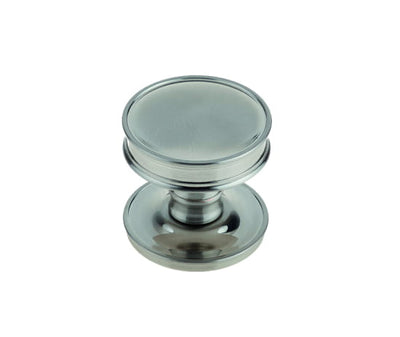
Nickel, chrome and stainless-steel finishes can provide a cleaner appearance for contemporary interiors.
Frequently Asked Questions
What is a mortice door knob?
A mortice door knob is a turning knob connected by a spindle to a latch or lock installed inside the edge of the door.
Turning the knob retracts the latch and allows the door to open.
What is the difference between a rim and mortice door knob?
A mortice door knob operates a latch or lock recessed into the edge of the door.
A rim door knob operates a surface-mounted rim lock or latch fitted to the face of the door.
What size latch should I use with a door knob?
A longer backset is often preferable with door knobs because it provides greater clearance between your hand and the door frame.
A 3" or 4" tubular latch is therefore commonly considered for larger knobs, although the correct size will depend on the individual door and knob.
Can door knobs be used on bathroom doors?
Yes. A mortice door knob can be paired with a suitable bathroom lock and separate thumbturn and emergency release.
The knob operates the latch while the thumbturn operates the privacy bolt.
What is the difference between a centre door knob and a normal door knob?
A conventional mortice or rim door knob turns to operate a latch or lock.
A centre door knob is normally fixed and used as a decorative pull or feature on a front door.
Are door knobs suitable for period properties?
Yes. Door knobs are particularly popular in period interiors.
Traditional designs such as beehive, porcelain, mushroom, reeded and rim knobs can complement cottages, Georgian and Victorian-style properties and restoration projects.
Which door knob finish should I choose?
Consider the style and colour of the door as well as the other visible ironmongery.
Traditional properties often work particularly well with Aged Brass, Bronze, Beeswax and Pewter, while Satin Brass, Black, Nickel and Chrome can suit more contemporary interiors.
Need Help Choosing Door Knobs?
The right door knob will depend on your door style, required latch or lock, knob size, backset and preferred finish.
Roundtower Hardware supplies a wide range of door knobs and architectural ironmongery throughout Ireland, including mortice knobs, rim knobs, knobs on rose and centre door knobs.
Browse the individual collections online or contact our team if you need help matching your door knobs with the correct latches, locks, escutcheons or thumbturns.