Choosing the Right Door Signage
Good door signage helps people understand how a door or room should be used quickly and clearly.
In commercial and public buildings, signs can identify toilets and facilities, indicate whether a door should be pushed or pulled, or provide important instructions relating to fire doors.
When selecting door signage, consider the purpose of the sign, visibility, mounting position, finish and the surrounding architectural ironmongery.
Toilet & WC Door Signs
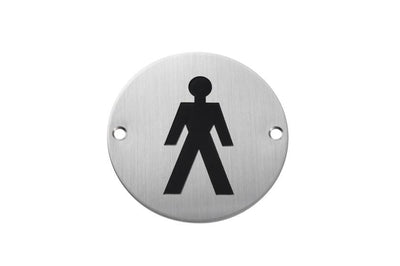
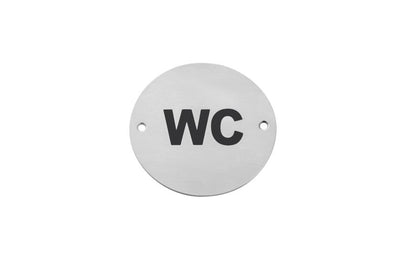
Toilet and WC signs provide clear identification for bathrooms and washroom facilities.
Common options include Ladies, Gents, Male, Female, WC and Disabled symbols, allowing signage to be selected according to the layout and requirements of the building.
Simple metal symbols can provide a clean and understated appearance while remaining easy to recognise.
Push & Pull Door Signs
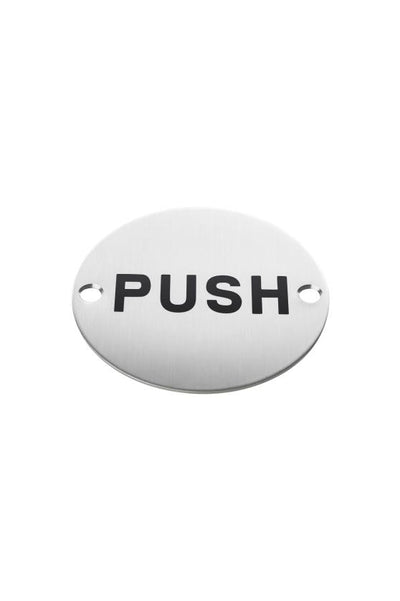
Push and Pull signs help users immediately understand how a door operates.
They can be particularly useful on entrance doors, commercial doors, glazed doors and frequently used internal doors where the opening direction may not be immediately obvious.
Position the sign where it can be clearly seen as somebody approaches the door.
Fire Door Signage
Fire doors may require signage explaining how the door should be maintained or operated.
Examples include Fire Door Keep Shut, Fire Door Keep Locked and Automatic Fire Door Keep Clear signage.
The correct wording will depend on the function of the particular fire door, so signage should be selected as part of the overall fire-door specification rather than simply on appearance.
Baby Change & Facility Signs
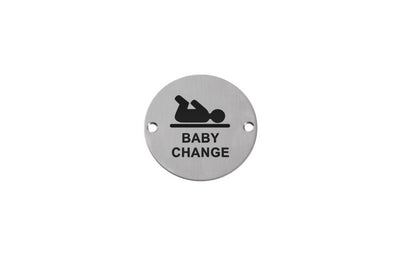
Clear facility signage can help visitors identify important amenities quickly.
Baby Change, Shower, WC and accessibility symbols are particularly useful in hotels, restaurants, leisure facilities, workplaces and other public or commercial buildings.
Using a consistent sign style throughout a building can create a cleaner and more professional appearance.
Choosing a Door Sign Finish
Door signage is often fitted alongside handles, pull handles, finger plates and other visible architectural hardware.
Choosing a complementary finish can help the signage feel integrated with the overall door specification.
Satin Stainless Steel provides a clean and understated appearance that works particularly well in commercial interiors, while more traditional finishes such as Antique Pewter can complement period-inspired architectural ironmongery.
Positioning Door Signs
Door signs should be positioned where they are easy to see and understand without interfering with handles, glazing or other door hardware.
The ideal position will depend on the particular sign and application.
For directional or operational signs such as Push and Pull, visibility as somebody approaches the door is particularly important.
For room-identification signs, consistency across neighbouring doors can make the building easier to navigate.
Frequently Asked Questions
What types of door signs are available?
Door signage can include WC signs, Ladies and Gents signs, accessibility symbols, Baby Change signs, Push and Pull signs and fire-door instruction signs.
The correct type depends on the door or facility being identified.
What is a Push or Pull sign used for?
A Push or Pull sign tells users which direction a door should be operated.
They are particularly useful on commercial entrances and frequently used doors where the correct opening direction may not be immediately obvious.
What signage is used on fire doors?
Common fire-door signs include Fire Door Keep Shut, Fire Door Keep Locked and Automatic Fire Door Keep Clear.
The correct sign depends on how the individual fire door is designed to operate.
Where should a door sign be positioned?
The sign should be positioned where it can be clearly seen by somebody approaching or using the door.
The precise height and location will depend on the sign type, door design and any applicable project or accessibility requirements.
What does a Disabled symbol indicate?
An accessibility symbol is commonly used to identify facilities or areas intended to be accessible to people with disabilities.
Its use should form part of the wider signage and accessibility strategy for the building.
Can door signs match other architectural ironmongery?
Yes. Choosing signage in a finish that complements door handles, pull handles, finger plates and other door hardware can create a much more consistent appearance.
Are door signs suitable for commercial buildings?
Yes. Door signage is widely used in offices, hotels, restaurants, schools, healthcare facilities and other public or commercial buildings to identify rooms, facilities and door functions.
Need Help Choosing Door Signage?
The correct sign will depend on the door function, building type and information that needs to be communicated.
Roundtower Hardware supplies door signage and architectural signs throughout Ireland, including WC signs, Push and Pull signs, accessibility symbols and fire-door signage.
Browse our collection online or contact our team if you need help selecting signage for your project.