Choosing the Right Cupboard Knobs
Changing cupboard knobs is one of the simplest ways to update the appearance of a kitchen, wardrobe or piece of furniture.
The right cabinet knob should be comfortable to use while also complementing the style, colour and other ironmongery within the room.
When choosing cupboard knobs, consider the size of the knob, cabinet proportions, finish, style and how frequently the cupboard or drawer will be used.
Cupboard Knobs for Kitchens
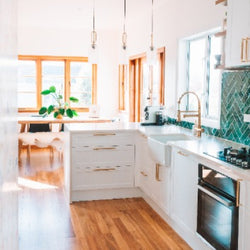
Kitchen cupboard knobs are available in a wide variety of shapes and finishes, making them suitable for everything from traditional painted kitchens to contemporary cabinetry.
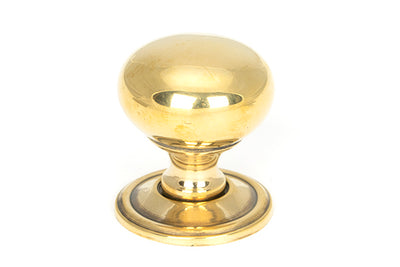
Round and mushroom cabinet knobs provide a simple and timeless appearance, while beehive, hammered and more decorative designs can add additional character.
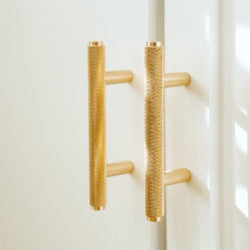
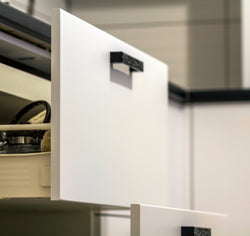
On larger drawers, cupboard knobs can also be combined with matching cabinet handles or drawer pulls to create a coordinated kitchen hardware scheme.
Choosing the Right Cupboard Knob Size
Cabinet knob size is largely a matter of proportion and personal preference.
Smaller knobs can work particularly well on compact cabinet doors and drawers, while larger knobs can provide a stronger visual presence and may be easier to grip on larger doors.
Popular sizes include approximately 25mm, 30mm, 32mm, 35mm and 40mm, although the ideal size will depend on the design and proportions of the cabinetry.
If replacing existing knobs, check the fixing position and make sure the new knob will adequately cover any existing marks or holes.
Brass Cupboard Knobs
Brass cupboard knobs are an excellent choice for both traditional and contemporary interiors.
Finishes such as Aged Brass and Antique Brass provide a warmer, established appearance that works particularly well with painted timber, period-style kitchens and traditional furniture.
Polished Brass creates a brighter, more decorative appearance, while Satin Brass offers a softer and more understated finish.
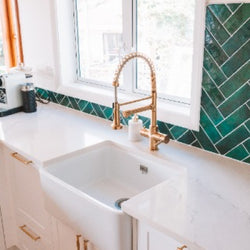
Brass cabinet hardware can also be coordinated with door handles, hinges, shelf brackets and other architectural ironmongery throughout the property.
Black Cupboard Knobs
Black cupboard knobs provide a strong contrast against painted or natural timber cabinetry.
They work particularly well with white, cream, green, grey and natural wood kitchens and can complement black door furniture, window hardware and other interior fittings.
Black cabinet hardware can suit both traditional and contemporary interiors depending on the shape and detailing of the knob.
Traditional & Decorative Cabinet Knobs
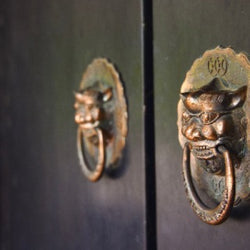
For traditional kitchens and period properties, the shape and detailing of the cupboard knob can be just as important as the finish.
Beehive, mushroom, oval, hammered and traditionally inspired cabinet knobs can add character to painted kitchens, freestanding furniture, wardrobes and bespoke joinery.
Finishes such as Aged Brass, Aged Bronze, Pewter and Beeswax can further enhance a traditional or handcrafted appearance.
Coordinating Cupboard Knobs & Handles
Cupboard knobs do not necessarily need to be used on every cabinet.
A popular approach is to use cupboard knobs on cabinet doors and matching cupboard handles or drawer pulls on larger drawers.
Choosing products from the same range or in the same finish can create a consistent appearance throughout the kitchen or room.
Other visible hardware, including hinges, shelf brackets, hooks and door furniture, can also be considered when choosing the final finish.
Frequently Asked Questions
What size cupboard knob should I choose?
There is no single correct size. The best knob will depend on the proportions of the cabinet and the appearance you want to achieve.
Knobs around 25–35mm are popular for many kitchen cupboards, while larger knobs can work particularly well on larger cabinet doors and furniture.
What is the difference between a cupboard knob and a cabinet knob?
There is generally no significant difference. The terms cupboard knob, cabinet knob and furniture knob are commonly used to describe the same type of hardware.
They can be fitted to kitchen cupboards, drawers, wardrobes and other pieces of furniture.
Are knobs or handles better for kitchen cabinets?
Both can work very well.
Cupboard knobs provide a simple appearance and require only one fixing point, while handles provide a larger gripping area and can work particularly well on wide or heavy drawers.
Many kitchens use a combination of both.
Where should cupboard knobs be positioned?
On cabinet doors, knobs are normally positioned towards the opening edge of the door at a comfortable height.
The exact position is a design choice, but keeping the placement consistent across adjoining cabinets is important for a professional appearance.
Can I replace cupboard handles with knobs?
Yes, but a knob normally requires only one fixing hole while a handle usually requires two.
If existing handle holes will remain visible, they may need to be filled and refinished before fitting the new knob.
Which cupboard knob finish should I choose?
Consider the cabinet colour and the other visible hardware within the room.
Aged Brass, Antique Brass and Bronze suit many traditional interiors, while Satin Brass, Black, Nickel and Stainless Steel can work particularly well in contemporary kitchens.
There are no strict rules — contrast can be just as effective as matching finishes.
Can I match cupboard knobs with other ironmongery?
Yes. Coordinating cupboard knobs with cabinet handles, drawer pulls, shelf brackets, door handles and other architectural ironmongery can help create a consistent design throughout the room or property.
Need Help Choosing Cupboard Knobs?
With a wide selection of sizes, designs and finishes available, choosing cabinet hardware can sometimes be difficult.
Roundtower Hardware supplies cupboard knobs and cabinet hardware throughout Ireland for kitchens, wardrobes, furniture and bespoke joinery.
Browse our collection online or contact our team if you need help coordinating cupboard knobs, handles and finishes for your project.