Choosing the Right Door Handles
The right door handles should combine comfortable operation with a design and finish that complements the door and surrounding interior.
With different lever styles, backplates, roses, locking functions and finishes available, it is important to consider more than appearance alone.
When choosing door handles, consider the door type, required latch or lock, frequency of use, handle dimensions, finish and whether the door requires a locking or privacy function.
Door Handles on Rose
A door handle on rose has a compact circular, square or decorative fixing plate positioned directly behind the lever.
This creates a clean and relatively minimal appearance, making lever handles on rose popular in both contemporary and traditional interiors.
Where a locking function is required, a separate escutcheon or thumbturn can normally be positioned below the handle.
This allows the same handle design to be used throughout a property while the locking furniture changes according to the function of each room.
Door Handles on Backplate
A door handle on backplate combines the lever with a longer fixing plate.
The backplate can remain plain for a standard latch door or incorporate a keyhole or bathroom privacy function, depending on the particular handle set.
Handles on backplate can provide a more substantial appearance and are particularly popular in traditional and period interiors, although simple contemporary backplate designs are also available.
Lever Latch, Lever Lock or Bathroom Handles?
Understanding the function of the door will help determine which handle configuration you need.
A lever latch handle is normally used on an internal door that needs to stay closed but does not require locking.
A lever lock handle is designed to work with a compatible mortice sash lock and incorporates a key-operated locking function.
A bathroom handle works with a bathroom lock and provides a privacy function, normally operated using a thumbturn.
Choosing the correct configuration before ordering will help ensure that the handles, latch or lock and door preparation are compatible.
Traditional Door Handles
Traditional lever handles are particularly well suited to period homes, cottages and renovation projects.
Decorative backplates, hand-forged designs and classic lever shapes can complement timber panelled doors and traditional joinery.
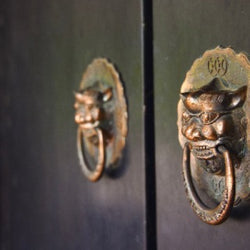
Finishes such as Aged Brass, Aged Bronze, Beeswax, Pewter and Antique Brass can add further character and help new ironmongery sit comfortably within an older property.
Contemporary Door Handles
For modern interiors, consider simpler lever shapes and more understated fixing roses or backplates.
Satin Brass, Matt Black, Satin Chrome, Polished Chrome, Nickel and Stainless Steel can all work particularly well in contemporary schemes.
The shape of the lever is just as important as the finish. Straight and geometric designs tend to create a more modern appearance, while curved or decorative levers can soften the overall look.
Brass Door Handles
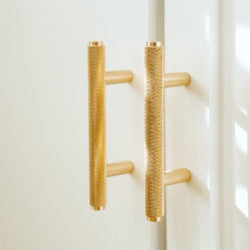
Brass door handles remain popular across both traditional and contemporary interiors.
Polished Brass provides a bright and classic appearance, while Satin Brass offers a softer, more restrained finish.
Aged and Antique Brass provide greater variation and character and can work particularly well alongside natural timber, painted doors and period architectural details.
Brass handles can also be coordinated with matching hinges, escutcheons, thumbturns and cabinet hardware throughout the property.
Black Door Handles
Black door handles provide a strong contrast against light-coloured doors and natural timber.
Simple black lever designs can create a clean contemporary appearance, while traditionally shaped or forged black handles can work particularly well in cottages and period-style properties.
Black ironmongery can also be coordinated across door handles, hinges, window furniture and cabinet hardware to create a consistent scheme.
Choosing the Correct Latch or Lock
The handle is only one part of the complete door furniture arrangement.
A standard internal lever handle will normally require a compatible tubular latch, while lockable doors may require a mortice sash lock or bathroom lock.
The backset and dimensions of the latch or lock affect where the handle sits on the door, so compatibility should be checked before installation.
If replacing existing handles, also check the current fixing positions and lock centres where applicable.
Coordinating Door Hardware
A well-considered ironmongery scheme goes beyond the handle itself.
Door handles can be coordinated with hinges, escutcheons, thumbturns, locks, latches, door stops and other visible hardware.
The finishes do not necessarily have to be identical, but maintaining a consistent style or finish family can create a much more professional appearance throughout the property.
Frequently Asked Questions
What type of door handle do I need?
The correct handle depends primarily on how the door needs to operate.
A general internal door may need only a lever latch handle, while a bedroom or office may require a lock and a bathroom will normally require a privacy function.
What is the difference between handles on rose and handles on backplate?
A handle on rose uses a small fixing plate behind the lever, with any lock furniture normally installed separately.
A handle on backplate uses a longer plate that can incorporate a keyhole or bathroom privacy function.
What is a lever latch door handle?
A lever latch handle operates a latch that holds the door closed but does not provide a locking function.
It is commonly used on living rooms, kitchens, hallways and other internal doors.
What is a lever lock door handle?
A lever lock handle is designed to work with a compatible mortice sash lock.
The lever operates the latch while a key operates the locking bolt.
Can I use lever handles on a bathroom door?
Yes. A compatible handle can be paired with a bathroom lock and thumbturn, or you can choose a dedicated bathroom handle on backplate incorporating the privacy furniture.
Which door handle finish should I choose?
Consider the colour and style of the door together with other visible ironmongery.
Aged Brass, Bronze, Pewter and Beeswax often suit traditional interiors, while Satin Brass, Black, Chrome, Nickel and Stainless Steel can work particularly well in contemporary schemes.
Can I replace existing door handles without changing the lock?
Often yes, provided the replacement handles are compatible with the existing latch or lock.
Check the spindle size, fixing positions, backplate dimensions and lock centres before ordering.
Are all door handles suitable for external doors?
No. External suitability depends on the base material, finish and level of exposure.
Always check the specification of the individual handle, particularly for exposed or coastal locations.
Need Help Choosing Door Handles?
The correct handle will depend on your door type, latch or lock, required function, preferred style and finish.
Roundtower Hardware supplies a wide range of door handles and architectural ironmongery throughout Ireland, including handles on rose, handles on backplate and pull handles for residential and commercial projects.
Browse our individual door handle collections online or contact our team if you need help matching your handles with the correct locks, latches, escutcheons or thumbturns.