Choosing the Right Pendant Light
A pendant light provides more than simply illumination. Positioned correctly, it can become one of the main design features within a kitchen, dining room or living space.
When selecting pendant lighting, consider the size of the room, ceiling height, position of furniture, number of lights required, pendant size and the finishes already used throughout the interior.
A single pendant can create an understated focal point, while a row of pendants or a cluster arrangement can have considerably more visual impact.
Pendant Lights for Kitchen Islands
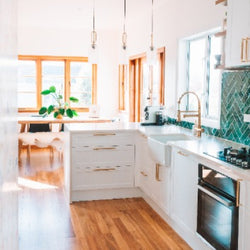
Kitchen pendant lights are particularly popular above islands and breakfast bars, where they can provide focused lighting while helping visually define the kitchen area.
Depending on the length of the island and size of the fitting, you may choose one substantial pendant or several smaller pendants arranged in a row.
Rather than choosing the number of pendants first, consider the overall proportions of the island and the diameter of each light. The spacing should feel balanced without making the area appear overcrowded.
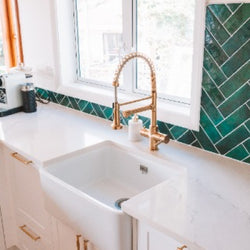
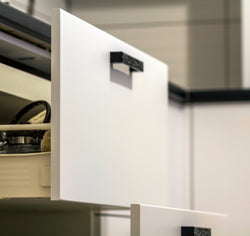
Brass, copper and nickel pendants can also be coordinated with cabinet hardware and other metal finishes within the kitchen.
Pendant Lights Over Dining Tables
A pendant positioned above a dining table can create a strong focal point while helping define the dining area within a larger room.
Longer tables may suit several individual pendants or a wider cluster arrangement, while a single statement pendant can work particularly well above a smaller or round table.
Consider the scale of both the light and table together. A pendant that is too small can become lost within a large room, while an oversized fitting can dominate a compact dining space.
Single or Cluster Pendant Lights?
A single pendant light offers a clean and simple solution and can be used individually or repeated in a row.
A cluster pendant combines several lights within one feature, creating greater visual impact. Cluster lighting can work particularly well over dining tables, kitchen islands, entrance halls and spaces with higher ceilings.
From The Anvil cluster pendants also provide an opportunity to showcase the distinctive metal finishes and forms of the individual shades as one coordinated feature.
Brass Pendant Lights
Brass pendant lights introduce warmth into an interior and can complement both traditional and contemporary design schemes.
Smooth brass provides a cleaner appearance, while hammered brass introduces additional texture and character.
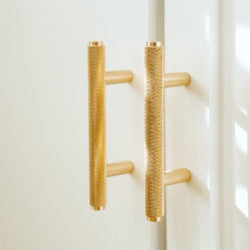
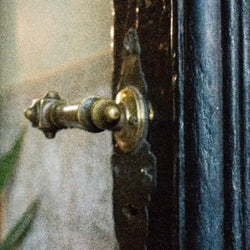
Brass lighting can coordinate particularly well with brass cupboard knobs, cabinet handles, door furniture and other architectural ironmongery, helping create a consistent finish throughout an interior.
Copper & Nickel Pendant Lights
Copper pendant lights provide a rich, warm metallic finish that works particularly well alongside natural timber, painted cabinetry and traditional materials.
Nickel provides a cooler metallic appearance and can suit interiors where a more understated or contemporary finish is preferred.
Both smooth and hammered surfaces can produce very different effects, so consider not only the metal colour but also the texture of the fitting.
Smooth or Hammered Finish?
The surface texture has a major influence on the character of a pendant light.
A smooth finish produces a cleaner and more refined appearance, making it easy to incorporate into contemporary interiors.
A hammered finish creates subtle variations across the metal surface and gives the fitting a more handcrafted character. This can work especially well alongside natural materials such as timber, stone and traditional architectural finishes.
Coordinating Lighting with Architectural Hardware
Lighting does not need to be selected independently from the other metalwork within a room.
Pendant lights can be coordinated with cupboard handles, cupboard knobs, shelf brackets, door handles and electrical switches to create a more considered interior scheme.
The finishes do not necessarily have to match exactly. Using related metals or complementary finishes can often produce a more natural result than making every fitting identical.
Frequently Asked Questions
Where are pendant lights normally used?
Pendant lights are commonly used above kitchen islands, breakfast bars, dining tables and work surfaces, as well as in hallways, bedrooms and living areas.
The best location will depend on the size of the fitting and the type of lighting required.
How many pendant lights should I use over a kitchen island?
There is no fixed number.
The correct arrangement depends on the length of the island, diameter of the pendants and the visual effect you want to achieve. Smaller pendants are often repeated in a row, while a larger fitting or cluster pendant may work as a single statement piece.
What is a cluster pendant light?
A cluster pendant combines several individual lights suspended together from a coordinated ceiling fitting.
Cluster pendants provide greater visual impact than a single light and can work particularly well in larger rooms or as a feature above a table or island.
Are brass pendant lights suitable for modern kitchens?
Yes. Brass can work equally well in contemporary and traditional interiors.
The design and surface finish make a significant difference. Smooth brass can provide a clean contemporary appearance, while hammered brass tends to introduce more texture and handcrafted character.
Should kitchen lighting match cabinet handles?
It does not have to match exactly, but coordinating the finishes can help create a cohesive design.
For example, brass pendant lights can complement brass cabinet hardware, while nickel lighting can work alongside cooler metallic finishes.
Are pendant lights dimmable?
Selected From The Anvil pendant lights are dimmable when used with a compatible dimmable LED bulb.
Always check the individual product specification and ensure the bulb, dimmer and light fitting are compatible.
Can pendant lights be hung at different heights?
The appropriate hanging height depends on the room, ceiling height and location of the fitting.
Some From The Anvil pendant fittings are supplied with fabric cable that allows the installation height to be configured to suit the space. Always check the cable length and individual product dimensions before ordering.
Can I combine pendant and wall lights?
Yes. Using pendant and wall lights from the same design family can help create a coordinated lighting scheme.
Several From The Anvil lighting collections include complementary wall lights, making it possible to carry the same materials and design language through different areas of a room.
Need Help Choosing Pendant Lighting?
The right lighting will depend on your room size, ceiling height, furniture layout, preferred metal finish and the visual impact you want to create.
Roundtower Hardware supplies premium From The Anvil pendant lights and decorative lighting in Ireland, including brass, copper, nickel, hammered and smooth finishes.
Browse our lighting collection online or contact our team if you need help coordinating lighting with cabinet hardware, electrical fittings or other architectural ironmongery.