Choosing Mortice Door Knobs
A mortice door knob operates a latch or lock fitted within the edge of the door.
Unlike a lever handle, a knob is turned by hand to retract the latch. This makes the size of the knob, projection from the door and position relative to the door frame particularly important.
When choosing your door knobs, consider the knob diameter, projection, rose size, latch or lock type, backset, spring strength and preferred finish.
Traditional Mortice Door Knobs
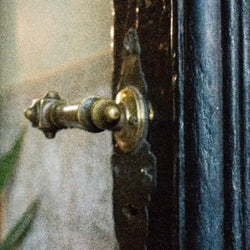
Mortice knobs are particularly well suited to period properties, cottages, Georgian and Victorian-style interiors and traditional timber doors.
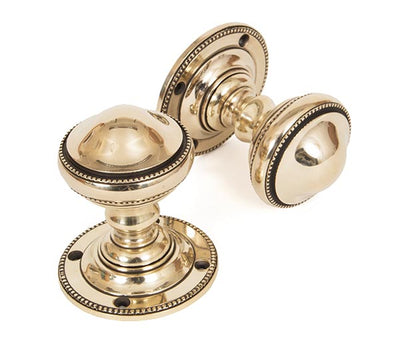
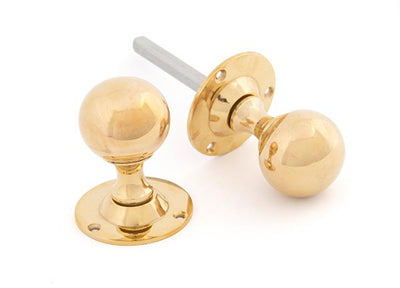
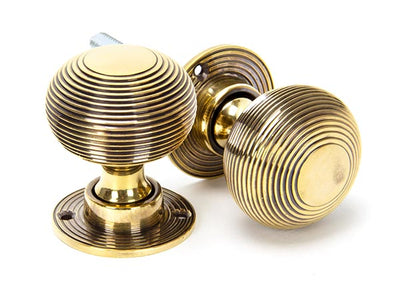
Classic shapes such as Beehive, Mushroom, Oval, Octagonal and Ball knobs can provide a much more authentic appearance than a contemporary lever handle.
Finishes such as Aged Brass, Bronze, Black, Beeswax and Pewter Patina can further enhance the traditional character of the door.
Contemporary Mortice Door Knobs
Door knobs do not have to be purely traditional.
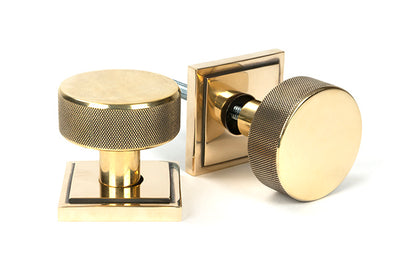
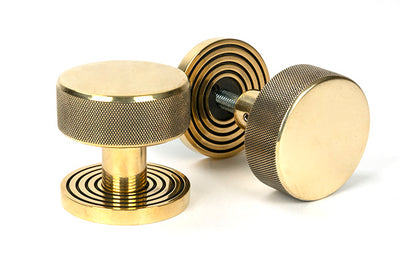
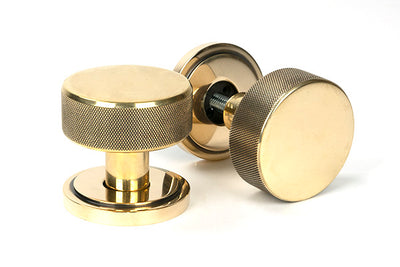
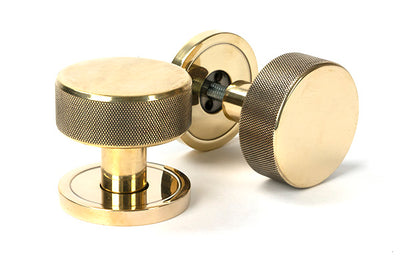
Cleaner round, oval and geometric designs in Satin Brass, Chrome, Nickel, Black and Stainless Steel can work very well in contemporary interiors.
The key is to consider the proportions of the knob and rose together with the door style and surrounding architectural hardware.
Mortice & Rim Knob Sets
Many traditional knob sets can be used with either a mortice latch or compatible rim lock.
For a mortice installation, the latch or lock is recessed into the edge of the door and the knob roses sit on the door faces.
With a traditional rim lock, the lock case remains visible on one face of the door and the knob arrangement is adapted to suit the surface-mounted lock.
Always check the individual product specification before assuming that a particular knob set is suitable for both applications.
Choosing the Correct Latch Backset
Backset is especially important with door knobs.
Because your hand has to wrap around the knob, positioning it too close to the door frame can leave limited clearance for your knuckles.
For this reason, a deeper latch is often preferable with a mortice knob than with a lever handle.
Many From The Anvil knob sets are specifically recommended for use with 3", 4" or 5" latches or locks, depending on the product.
Heavy-Duty Latches for Door Knobs
Some substantial mortice knobs are relatively heavy and require a stronger latch spring to return the knob correctly after use.
A heavy-duty tubular latch can therefore be a better choice than a lightweight standard latch, particularly with larger or unsprung knob sets.
The latch and knob should be considered together rather than selecting each component independently.
Mortice Knobs with Sashlocks
Where a door needs to operate normally with the knob but also lock with a key, the knob can be paired with a compatible mortice sashlock.
The knob operates the sprung latch while the key operates the separate deadbolt.
Because the knob is mounted on its own rose, a separate keyhole escutcheon is normally fitted below it.
Mortice Knobs for Bathrooms
A mortice knob can also be combined with a bathroom lock or tubular deadbolt and thumb turn where privacy is required.
This allows the same knob design to be used throughout the property while bathrooms and WCs receive additional locking furniture.
Matching thumb turns and releases can help maintain a coordinated appearance.
Sprung & Unsprung Door Knobs
Some mortice knob sets rely more heavily on the spring within the latch or lock mechanism.
With heavier or unsprung knob sets, the quality and strength of the latch spring becomes particularly important.
Always check whether the chosen knob requires a specific heavy-duty latch or lock to provide reliable return action.
Choosing a Door Knob Finish
Traditional interiors often work particularly well with Aged Brass, Bronze, Black, Beeswax and Pewter, while polished brass offers a brighter period appearance.
Chrome, Nickel, Satin Brass and Stainless Steel can provide a cleaner contemporary finish.
The collection also includes distinctive porcelain, ebony and rosewood combinations, which can provide additional character in period and design-led interiors.
Coordinating Escutcheons & Thumb Turns
Mortice door knobs are commonly combined with separate escutcheons and thumb turns.
A key-operated bedroom or entrance door may require an escutcheon, while a bathroom can use a matching turn and release.
Selecting these components from the same design family is one of the easiest ways to create a consistent architectural hardware scheme.
Frequently Asked Questions
What is a mortice door knob?
A mortice door knob is a rotating knob used to operate a latch or lock installed within the edge of the door.
The knob turns a spindle, which retracts the latch.
Do mortice door knobs need a special latch?
Not always, but heavier and unsprung knob sets can benefit from a heavy-duty latch with a stronger return spring.
Always check the recommendation for the individual knob.
What size latch should I use with a door knob?
Door knobs often work better with a deeper backset than lever handles because additional hand clearance is required from the door frame.
Many traditional knob manufacturers recommend 3", 4" or even 5" latches, depending on the knob design.
Why use a 3" or 4" latch with a door knob?
A deeper latch positions the knob further away from the edge of the door.
This gives your hand more room around the knob and reduces the risk of your knuckles contacting the door frame.
Can mortice knobs be used with a rim lock?
Selected mortice/rim knob sets can be used with compatible traditional rim locks.
Always check the individual product description because not every mortice knob is necessarily designed for both arrangements.
Can I use mortice knobs on bathroom doors?
Yes. A mortice knob can be combined with a compatible bathroom lock or deadbolt and a separate thumb turn and release.
What is a Beehive door knob?
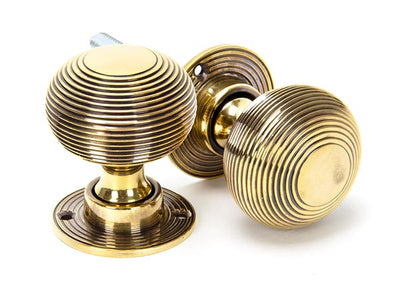
A Beehive knob has a distinctive series of concentric ridges around the knob.
It is a popular traditional design for period properties and can often be coordinated with matching Beehive escutcheons and cabinet hardware.
Can mortice knobs be used on external doors?
Selected products and finishes may be suitable for external applications, but suitability varies considerably.
Always check the individual product material, finish and manufacturer guidance before using a decorative knob externally.
Need Help Choosing Mortice Door Knobs?
The right knob will depend on your door style, knob size, latch or lock, required backset, spring strength and preferred finish.
Roundtower Hardware supplies an extensive range of mortice door knobs in Ireland, including traditional, contemporary, brass, black, porcelain and mortice/rim designs.
Browse our collection online or contact our team if you need help matching your door knobs with the correct latches, locks, escutcheons or thumb turns.